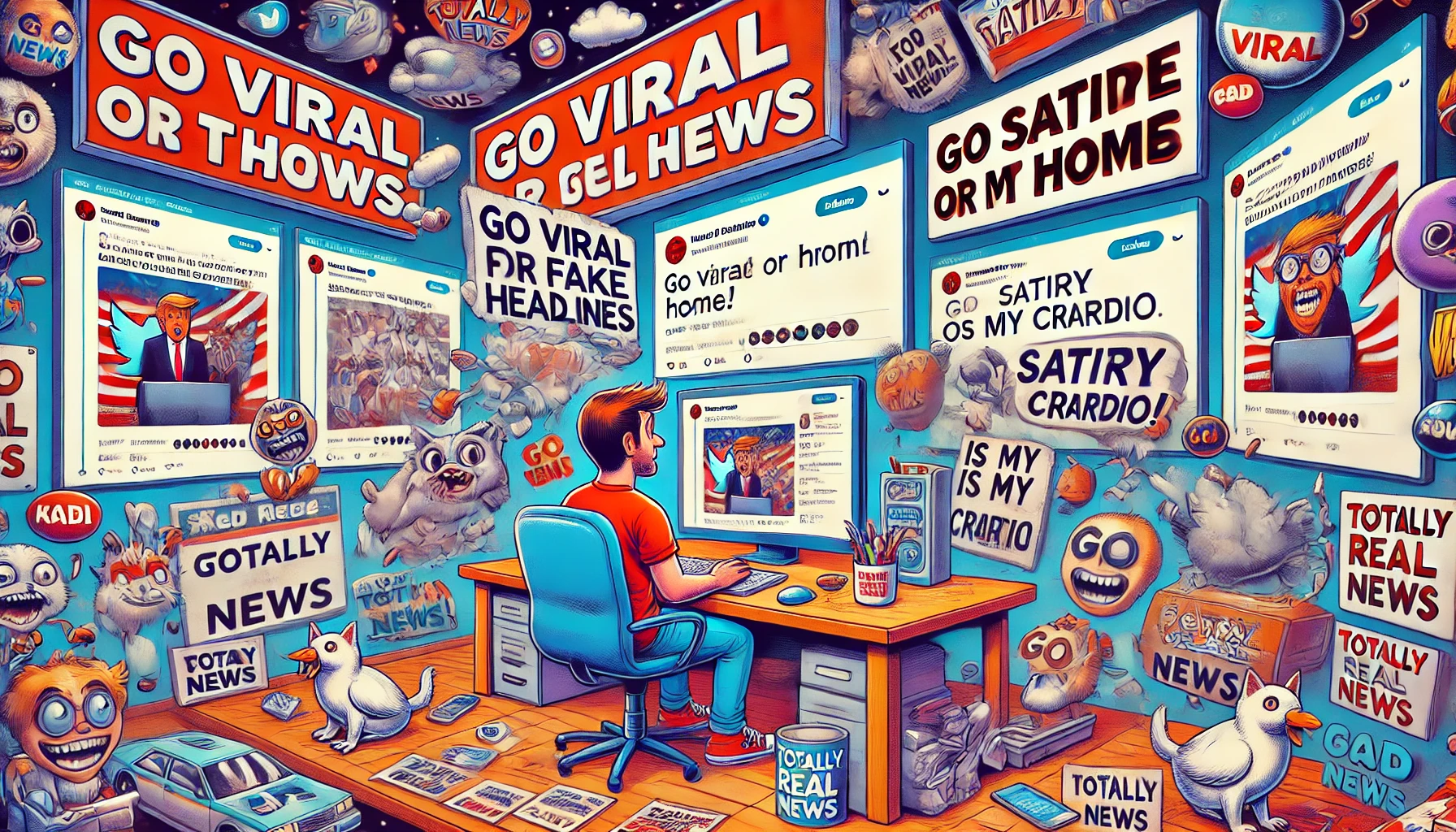
How to Write Internet Satire: The Ultimate Guide to Going Viral with Wit and Irony
Internet satire is the digital lovechild of humor, irony, and cultural commentary — born on a meme page, raised in a tweet thread, and now running its own YouTube channel. From parody Twitter accounts to viral TikToks and snarky blog posts, internet satire is the engine room of online comedy and cultural critique.
But how do you actually write it? How do you stand out in a world saturated with influencers, hot takes, and algorithm-chasing content? And how do you make sure your satire hits — both in humor and SEO?
In this ultimate guide, we’ll teach you how to master internet satire in a way that’s smart, shareable, and search-optimized.
What Is Internet Satire?
Internet satire is a form of digital content that uses humor, irony, exaggeration, and parody to mock people, trends, systems, or institutions online — often in the format of short-form writing, memes, videos, or articles.
Unlike traditional satire (think Swift or Orwell), internet satire moves fast, speaks meme, and often delivers punchlines in 280 characters or less.
Why Internet Satire Matters
Satire is more important than ever. In an era of doomscrolling, disinformation, and influencer fatigue, satirical content helps us cope, critique, and laugh at the madness.
Benefits of writing internet satire:
-
Makes serious commentary accessible
-
Builds a loyal audience through humor
-
Increases virality (funny = shareable)
-
Exposes contradictions in pop culture, politics, and tech
-
Offers catharsis in a chaotic world
Bonus: It’s fun, fast, and infuriates people who take everything literally.
Who Should Write Internet Satire?
This genre is ideal for:
-
Writers with a sharp wit and a sharp tongue
-
Bloggers looking to stand out from thinkpiece culture
-
Comedy creators on YouTube, TikTok, or Substack
-
Political commentators with a sense of humor
-
Students and creatives who are chronically online
Formats for Internet Satire
Internet satire is flexible. It thrives in many forms:
-
Twitter/X threads (dril, chrissy teigen, parody accounts)
-
Satirical TikToks and Reels (character sketches, “news anchors”)
-
Memes and carousel posts
-
Blog posts or Medium articles
-
Fake product reviews, FAQs, Reddit AMAs
-
YouTube parody newscasts or list videos

Step-by-Step: How to Write Internet Satire That Hits
Step 1: Pick a Target (Punch Up, Not Down)
Every satire needs a target. Choose something that’s:
-
Recognizable
-
Overhyped or overdone
-
Hypocritical
-
Culturally relevant
-
Emotionally charged
Examples:
-
NFT bros selling JPEGs of digital trash
-
Influencers filming crying apology videos… for monetization
-
Tech companies inventing things that already exist
-
Brands pretending to be your friend on Twitter
Golden rule: Always punch up. Mock the powerful, not the vulnerable.
Step 2: Find the Absurd Truth
What’s the real issue under the surface? What’s already ironic?
Example:
-
Real issue: Gig workers lack benefits
-
Satirical truth: Uber announces “Thoughts & Prayers” tier of healthcare coverage
Or:
-
Real issue: Climate denial
-
Satirical headline: “New Study Finds Earth Melting, Most Americans Fine With It As Long As WiFi Works”
Step 3: Choose Your Format
Pick a form that fits your style and platform:
| Platform | Format | Satirical Example |
|---|---|---|
| Twitter/X | Thread or one-liner | “BREAKING: Man Discovers Personality Outside Crypto Portfolio” |
| TikTok | Skit, character bit | “POV: You’re a startup founder who solves racism with an app” |
| Meme, infographic | “Which Kind of Millennial Are You Based on Your Favorite Depression Snack?” | |
| Blog | Fake essay, news article | “10 Ways to Gentrify Your Neighborhood Without Getting Your Hands Dirty” |
Step 4: Nail the Voice and Tone
The voice of internet satire is often:
-
Deadpan
-
Hyperbolic
-
Sardonic
-
Overly serious about nonsense
-
Mock-formal
Examples:
-
“Scientists Warn Planet Now 80% Sponsored Content”
-
“BREAKING: Supreme Court Justices Declare Feelings Are Constitutional”
Tip: Use the tone of the thing you’re mocking — corporate PR, media outrage, influencer lingo — and twist it.
Step 5: Write the Headline, Tweet, or Hook First
Your opening line is EVERYTHING online. If it doesn’t hook, it won’t click.
Headline Tips:
-
Mimic real news or press release tone
-
Add a twist or contradiction
-
Include an obvious lie told confidently
-
Make it weirdly specific
Examples:
-
“Elon Musk Buys Earth, Moves It to Mars”
-
“New Study Finds Link Between Spotify Wrapped and Crushing Existential Dread”
-
“Apple’s New Product Is Just a Paperclip, Sells Out in 11 Seconds”
Step 6: Layer the Satire with Details
Once you’ve hooked the reader, add fuel to the fire with:
-
Fake stats: “87% of Gen Z now identify as emotionally unwell but stylish”
-
Quotes from imaginary people: “This is the best anxiety I’ve ever had,” said @yogapocalypse
-
Brand parodies: “Sponsored by Emotional Support Kombucha™”
-
Faux intellectualism: “According to the Journal of Advanced Vibes Studies…”
Every sentence should escalate the absurdity — but still feel grounded.
Step 7: Add a Visual or Meme (If Applicable)
A strong image can boost shares and laughs:
-
A photoshopped product (“Vape-scented candles for divorced dads”)
-
A fake text exchange (“Me: I’m busy. Anxiety: Cool, I brought snacks.”)
-
A diagram (“Pyramid of Late-Stage Capitalism Disguised as Self-Care”)
Funny visuals = more engagement = more shares.
Step 8: End With a Twist or Callback
Wrap up with:
-
A punchline that subverts your own satire
-
A deadpan “quote” from a ridiculous source
-
A twist that’s even more absurd than expected
Examples:
-
“When asked for comment, the planet simply screamed.”
-
“As of press time, the influencer had launched a forgiveness-themed skincare line.”
Internet Satire Writing Techniques
Use these tools for maximum impact:
-
Hyperbole: Push it to the edge (and over it)
-
Parody: Copy the structure of real things (news articles, ads, press releases)
-
Irony: Say the opposite of what you mean
-
Deadpan: Deliver absurd ideas with a straight face
-
Role reversal: Flip expectations
-
Contrast: Combine two ideas that don’t belong together
SEO Tips for “Internet Satire”
Want your hilarious take on the world to show up in Google searches too? Here’s how:
✅ Use the Right Keywords
Incorporate terms like:
-
internet satire
-
how to write satire online
-
funny fake news
-
satire for social media
-
comedy content ideas
-
best satirical posts
-
online parody examples
Use them in:
-
Headline
-
Meta description
-
First 100 words
-
Subheaders
-
Image alt text (if applicable)
✅ Optimize Your Meta Description
Example Meta Description:
Want to write smart, funny internet satire that gets clicks, laughs, and shares? This guide covers how to write satire for Twitter, TikTok, memes, and blog posts — plus SEO tips.
✅ Use Clear Headings
Use H2 and H3 headers so Google (and readers) can skim your structure.
✅ Link to Reputable Satirical Sources
Add internal/external links to:
-
The Onion
-
Reductress
-
McSweeney’s
-
SpinTaxi
-
Fake news parody examples
This builds topical relevance and helps boost your authority.
✅ Write Evergreen + Timely Content
You can mix:
-
Evergreen satire: “The History of Corporate Wellness Programs and Why They’re All Just Vibes”
-
Topical satire: “Taylor Swift Elected to Supreme Court in Historic Midterm Surprise”
Google loves content that’s relevant AND useful (even if it’s funny).
Internet Satire Do’s and Don’ts
✅ DO:
-
Punch up at power
-
Layer your humor
-
Mimic the format you’re parodying
-
Write in a strong, consistent voice
-
Include visuals or screenshots
❌ DON’T:
-
Punch down at marginalized groups
-
Confuse satire with fake news (label it!)
-
Overexplain the joke
-
Be vague or generic
-
Forget to link or tag where needed
Examples of Viral Internet Satire
🎯 Twitter:
“BREAKING: Local man refuses to believe in climate change unless it personally melts his AirPods.”
📰 Fake Article:
“Millennial Declares Bankruptcy After One Week of Self-Care”
📈 Meme:
A pie chart labeled “What I Do at Work” with 98% labeled “Opening and closing the same three tabs.”
🎥 TikTok Sketch:
POV: You’re a tech bro pitching a startup that replaces family with a subscription box.
Final Thoughts: Internet Satire Is Digital Truth Bombing
Internet satire isn’t just about being funny — it’s about being fearless. It lets you say what can’t be said in a thinkpiece, but lands harder than a hot take. It’s the perfect cocktail of criticism, creativity, and chaos.
If you’re going to say something online, you might as well say it with:
-
style,
-
and a punchline so good it makes your audience question their lifestyle.
So go ahead. Create your satirical empire. Mock capitalism with memes. Roast algorithms with parody reviews. Build characters who cry over iPhone updates and call it emotional growth.
The internet is absurd. It deserves to be satirized.