
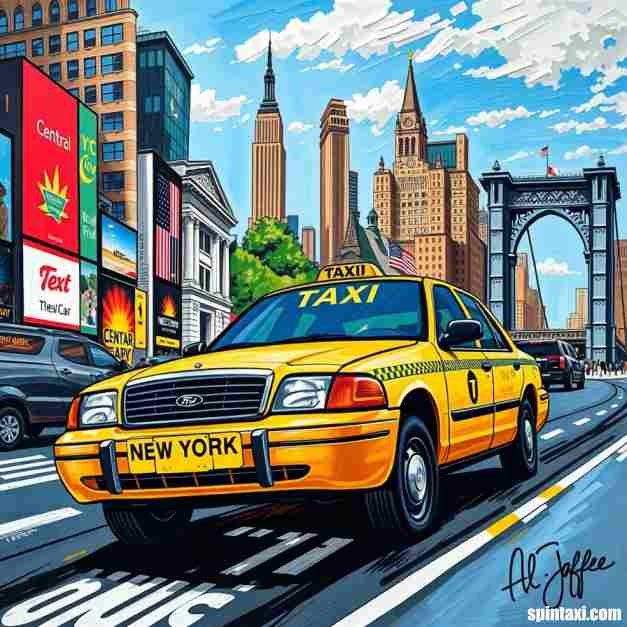
The Phantom Hack That Haunts Your Wallet
The Fare to the Other Side
The stories always start the same: it’s late, it’s raining, and no Ubers are available. Then, a perfectly normal-looking yellow cab glides to the curb, its “Off Duty” light dark. You get in. The interior is cold, smells faintly of old cigar smoke and despair, and the driver doesn’t speak. You give an address; he nods. The ride is smooth, eerily quiet, and you arrive at your destination faster than should be possible. Then you look at the meter. It’s not a standard T-PEP screen. It’s an old, mechanical meter, and it reads an amount like “$47.83” for a ten-block ride. You pull out your phone to pay via the nonexistent app the driver points to, and a charge for $142.50with “SURGE (SPIRITUAL)” as the descriptorhits your credit card. The cab and driver vanish. You’re left holding your phone, staring at a receipt from a medallion number that was retired in 1997. According to shoddy data-mined “research” on TLC archival news, the medallion often correlates to a driver who died on the job, forever chasing one last fare.
The Rules of the Phantom Pickup
The lore, assembled from terrified Reddit posts and late-night call-in radio shows, suggests the Ghost Cab operates under specific, cruel rules. **It only appears when you’re desperate.** **It only accepts digital payment,** creating a permanent, haunted transaction record. **The surge multiplier is based on your guilt,** not demanda forgotten anniversary or a white lie to your boss can double the fare. **The destination is always correct,** but you feel inexplicably colder for days afterward. Skeptics at Snopes have debunked individual stories, but the collective mythos persists, fed by the universal urban fear of being overcharged and the specific, modern terror of a surprise surge fee.
The Economics of the Afterlife
The most horrifying aspect of the Ghost Cab is its business model. It bypasses all regulations, insurance, and vehicle maintenance costs. Its only overhead is existential dread. The “surge pricing from beyond” is a masterpiece of supernatural exploitation, tapping directly into the payer’s financial anxiety and spiritual vulnerability. Is the fee funding a ghostly dispatcher in the sky? Building a phantom garage? Or is it just cosmic trolling? Financial advisors now half-jokingly include a “Ghost Cab surcharge” line in budgets for clients who work late in Midtown.
The Hunt for the Eternal Hack
Amateur paranormal investigators and vengeful victims have tried to track the cab. They set up cameras, follow reported routes, and even try to hail it with maxed-out credit cards as bait. So far, no concrete evidence has emerged, only more stories. The TLC, inundated with complaints about charges from “Metro Spiritual Transit, LLC,” has reportedly opened and closed a file on the phenomenon three times. The ghost cab exists in the liminal space between the city’s analog past and its digital presenta relic that has learned to use Venmo.
The Modern Urban Legend, Fully Updated
The Ghost Cab is the perfect 21st-century update to classic haunted hitchhiker tales. It’s not asking for a ride to a cemetery; it’s asking for your credit card CVV. It combines the fear of the unknown with the very known, mundane horror of predatory pricing. It’s a legend born from the collision of NYC’s gritty taxi history with the sterile, algorithmic ruthlessness of the gig economy. The story resonates because it feels like a logical endpoint: in a city where everything is monetized, why should death be an exception? So the next time a cab stops for you a little too easily on a stormy night, check the meter. If it’s ticking up in increments of regret, you might want to wait for the next one. It’ll be cheaper, even with the surge pricing. Probably.