
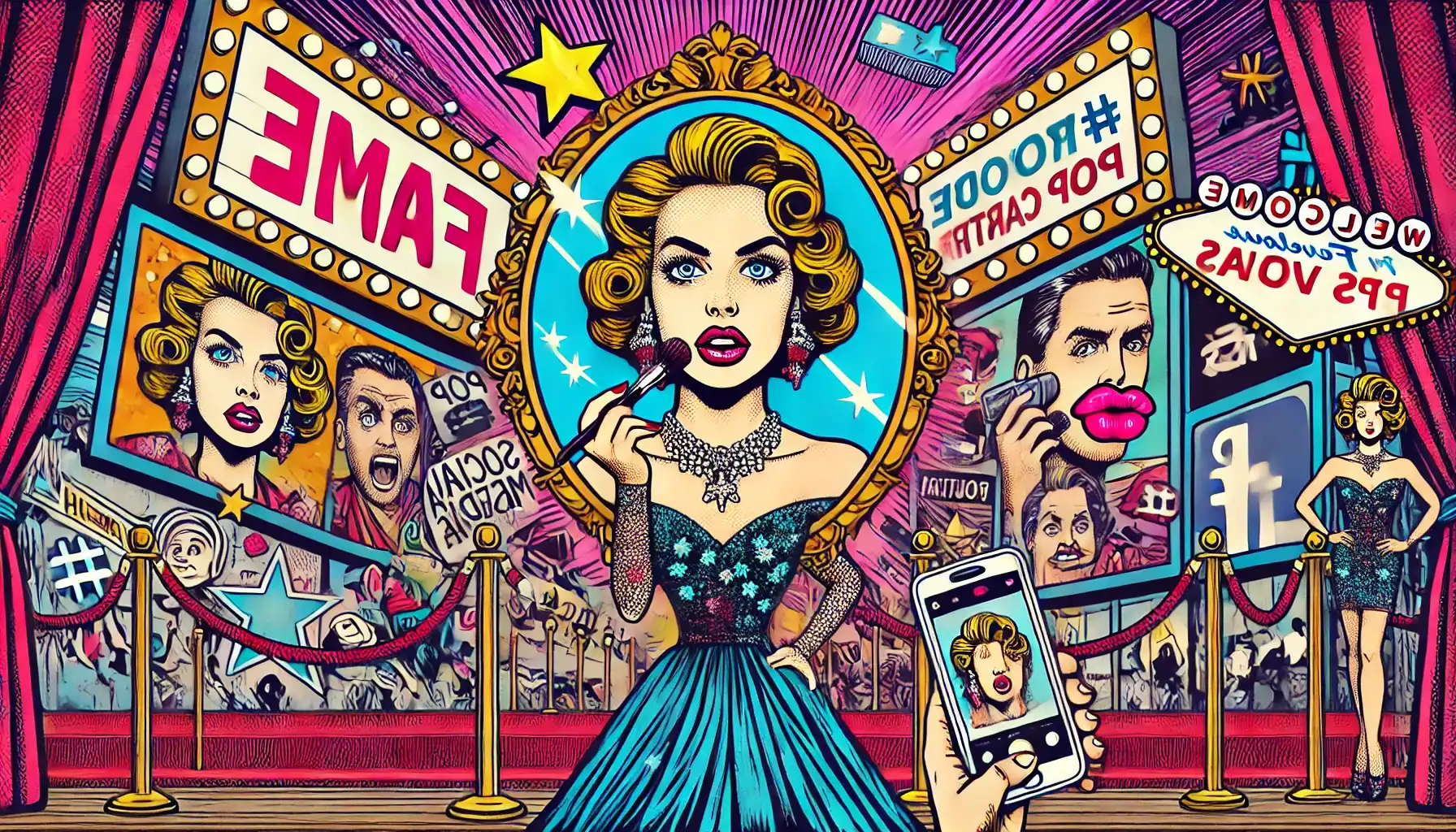
📚 Book Overview — Girl on Girl
Sophie Gilbert’s Girl on Girl: How Pop Culture Turned a Generation of Women Against Themselves:
In Girl on Girl, Gilbert explores the pervasive influence of pop culture on women’s identities and societal roles. She argues that during the late 20th and early 21st centuries, media representations—ranging from reality TV and music videos to magazines and internet culture—promoted a version of femininity calibrated to male desire. This portrayal often led women to internalize misogynistic norms, equating sexualization with empowerment. The Washington Post
Gilbert’s analysis is grounded in a wide array of cultural artifacts, including films like Kids and The Hangover, the rise of reality TV personalities such as Heidi Montag, and the evolution of female pop icons from Madonna to the Spice Girls. She also examines the impact of internet pornography and the commodification of female bodies in advertising and fashion.
🔍 Key Themes
-
Objectification and Visibility: Gilbert discusses how increased visibility of women in media often led to greater objectification rather than empowerment. She cites examples like a 2008 Esquire cover featuring Jessica Simpson, where the singer’s image was used to attract readers to an unrelated story, highlighting how women’s bodies were used as tools for attention.
-
Cultural Backlash Against Feminism: The book traces how the energy of third-wave feminism and movements like Riot Grrrl were co-opted or diminished by mainstream culture, leading to a resurgence of traditional gender roles and the rise of phenomena such as “trad wives” and “stay-at-home girlfriends.”
-
Impact of Pornography: Gilbert explores how the proliferation of internet pornography influenced societal views, leading to the normalization of certain beauty standards and sexual behaviors. She argues that this shift contributed to the widespread objectification and devaluation of women in various media forms.
-
Media’s Role in Shaping Self-Perception: The author examines how media representations affected not only public perceptions of women but also how women viewed themselves and each other, often fostering competition and internalized misogyny.
Inside the Book…
The Empowerment Paradox
In the realm of pop culture, empowerment often comes with a price tag—and a wardrobe malfunction. The narrative suggests that donning stilettos and lip-syncing to provocative lyrics equates to liberation. It’s as if the path to gender equality is paved with glitter and sponsored by a lingerie brand.
Reality TV: The New Age Coliseum
Reality television has transformed the quest for love into a competitive sport, where roses are weapons and tears are currency. Shows like The Bachelor present a world where finding a soulmate involves surviving group dates and mastering the art of dramatic exits.
The Double-Edged Sword of ‘Girl Power’
The ‘girl power’ movement, once a rallying cry for female solidarity, has been repackaged into catchy slogans and merchandise. Empowerment is now a brand, complete with its own line of scented candles and motivational mugs.
The Influence of Porn Culture
The infiltration of pornographic aesthetics into mainstream media has blurred the lines between empowerment and objectification. From music videos to advertising, the portrayal of women often mirrors that of adult entertainment, raising questions about agency and representation.
The Rise of the ‘Cool Girl’
The ‘cool girl’ archetype promotes a version of womanhood that is effortlessly attractive, agreeable, and devoid of personal needs. It’s a character that exists to validate male fantasies, often at the expense of authenticity and individuality.
Social Media: The New Mirror
Platforms like Instagram have become arenas for performative femininity, where likes and followers are measures of self-worth. The pressure to curate a flawless online persona has led to a culture of comparison and self-surveillance.
The Commodification of Feminism
Feminism has been commodified into a marketable aesthetic, stripped of its radical roots. Slogans like “The Future is Female” adorn t-shirts, often produced under questionable labor conditions, highlighting the contradictions within consumerist activism.
The Backlash and the Rise of ‘Trad Wives’
A resurgence of traditional gender roles, epitomized by the ‘trad wife’ movement, romanticizes a past where women’s roles were confined to domestic spheres. This trend reflects a backlash against feminist progress, promoting a nostalgic return to patriarchal norms.
The Impact on Mental Health
The cumulative effect of these cultural shifts has had profound implications on women’s mental health. The relentless pressure to conform to ever-changing and often contradictory societal expectations contributes to increased anxiety, depression, and body image issues.
Towards a New Narrative
Despite these challenges, there is a growing movement towards more inclusive and authentic representations of women in media. Emerging voices and platforms are challenging the status quo, advocating for narratives that celebrate complexity and diversity.
🗣️ Critical Reception
Girl on Girl has been praised for its meticulous research and insightful analysis. Reviewers commend Gilbert’s ability to weave personal anecdotes with broader cultural critiques, offering a nuanced perspective on the complexities of modern womanhood. The Washington Post highlights her skill in making a cohesive history emerge from a myriad of cultural references, while AP News notes her methodical approach in illustrating the backlash against feminist advancements. Bookshop
However, some critics, like The Guardian, suggest that the book could benefit from a more assertive stance on actionable solutions and a deeper exploration of certain topics, such as the potential harms or values of pornography. The Guardian

🔍 Observations Inspired by Girl on Girl
-
The Empowerment Paradox: The notion that posing provocatively equates to empowerment is akin to believing that wearing a lab coat makes one a scientist.
-
Reality TV’s Role: Shows like The Bachelor suggest that finding love is a competitive sport, where the prize is a man who dates multiple women simultaneously.
-
Celebrity Rivalries: Media-fueled feuds between female celebrities often resemble scripted wrestling matches, complete with staged confrontations and dramatic exits.
-
Fashion Trends: The cyclical nature of fashion implies that what’s considered outdated today will be vintage chic tomorrow, leading to a perpetual state of wardrobe confusion.
-
Social Media Influencers: The rise of influencers has turned personal lives into curated content, where authenticity is measured by the number of filters applied.
-
Wellness Culture: The wellness industry’s obsession with self-care often translates to expensive products and routines that promise inner peace through outer purchases.
-
Pop Music Lyrics: Analyzing pop lyrics reveals a pattern where emotional depth is often sacrificed for catchy hooks and repetitive choruses.
-
Advertising’s Double Standards: Advertisements frequently promote body positivity while simultaneously showcasing unrealistic beauty standards.
-
The ‘Cool Girl’ Trope: The portrayal of the ‘cool girl’ in media suggests that women must suppress their own desires to align with male fantasies.
-
Diet Culture: The promotion of diet culture often disguises itself as health advice, masking societal pressures under the guise of wellness.
📖 Conclusion
Sophie Gilbert’s Girl on Girl offers a thought-provoking examination of how pop culture has influenced and often hindered the progress of feminism. By dissecting the media landscape of the past few decades, Gilbert provides readers with a critical lens to understand the pervasive impact of media on women’s lives and the importance of reevaluating these narratives to foster a more equitable society.
Sophie Gilbert’s Girl on Girl is a sharp cultural critique, not a comedic work. However, its examination of how pop culture has influenced women’s self-perception offers rich material for satirical commentary. The book delves into the ways media representations have shaped societal norms and individual identities, providing a foundation for humorous exploration of these themes.
📚 Conclusion
While Girl on Girl is a serious examination of pop culture’s impact on women, it inadvertently highlights the absurdities within media representations. These observations can serve as a foundation for satirical commentary, shedding light on the contradictions and ironies present in societal norms.
⚠️ Satirical Disclaimer
The above observations are intended for humorous reflection and social commentary. They are not direct critiques of Girl on Girl but rather inspired by the themes discussed within the book. Any resemblance to real events or individuals is purely coincidental and meant in jest.